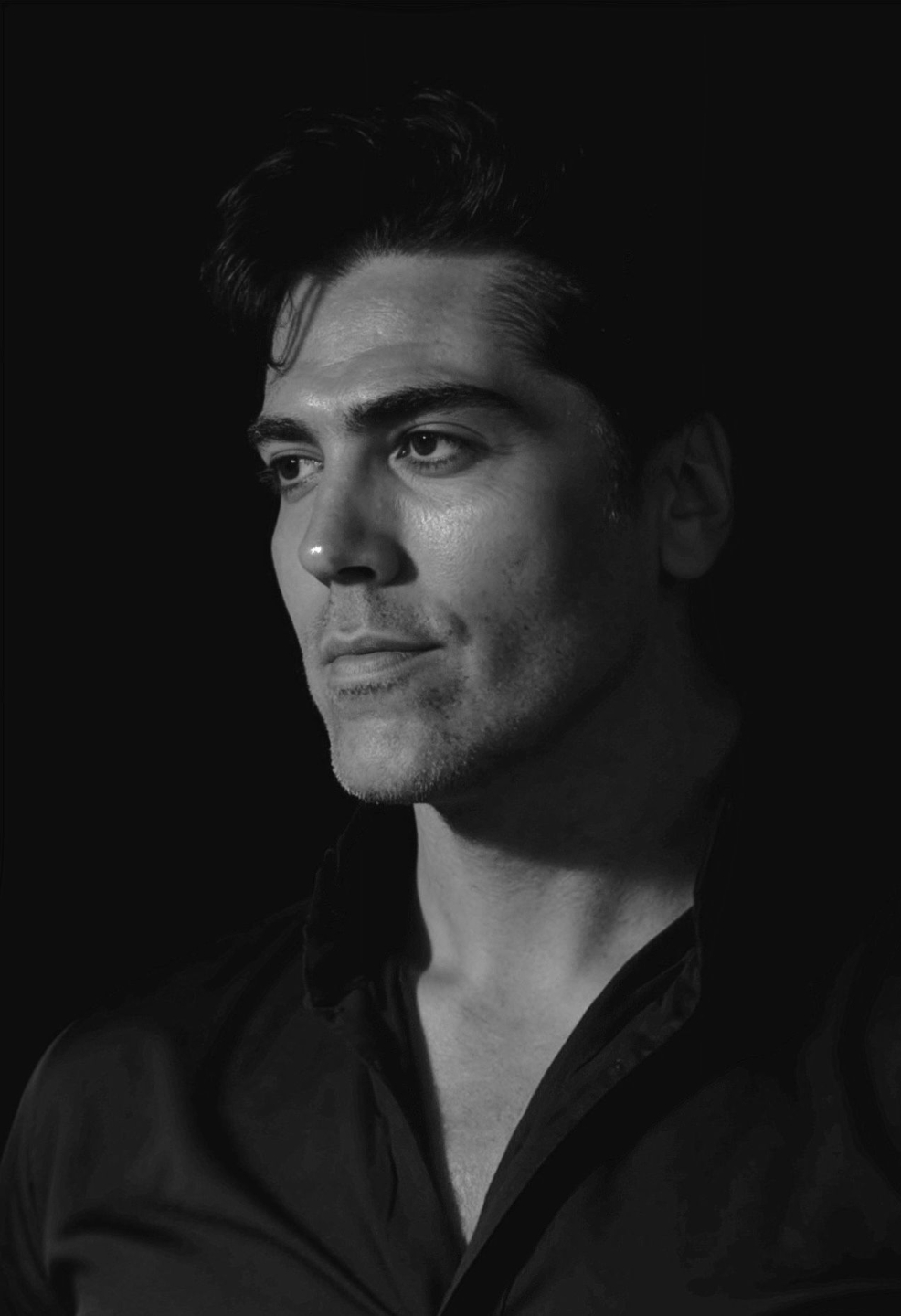
Meet the Maestro

The Voice Behind the Revival of The Old School of Singing®


Giancarlo Monsalve is internationally recognized as one of the leading living authorities on classical Italian vocal technique, and as a central figure in the modern revival of the true Old School of Singing®.

In an era where operatic voices are increasingly shortened, standardized, and disconnected from their historical foundations, Monsalve stands apart as a rare bridge between authentic lineage, proven stage experience, and contemporary transmission. For singers, teachers, and opera professionals worldwide, he has become not merely a teacher, but a reference point.

A Living Lineage, Not a Theory

Giancarlo Monsalve’s work is not based on abstract pedagogy or modern reinterpretation.
It is based on direct transmission.

He is a fourth direct generation representative of the Manuel García School, one of the most influential vocal lineages in the history of singing. Through this lineage, he stands in continuity with the foundations upon which modern operatic technique itself was built.

At the same time, Monsalve is a second-generation representative of the Arturo Melocchi tradition, the school that forged the great dramatic voices of the 20th century. This lineage, historically associated with Mario Del Monaco, is centered on true affondo, a fully open throat, low laryngeal stability, and natural external covering (coperto fuori), allowing the voice to project freely without artificial adjustment.

In parallel, he carries the legacy of the Ettore Campogalliani school, the pedagogical foundation shared by Luciano Pavarotti, Renata Tebaldi, and Mirella Freni, where breath, space, and vocal freedom are inseparable from musical intelligence.

This convergence places Giancarlo Monsalve in a unique historical position:
he embodies both lyrical intelligence and dramatic power, transmitted through verified lineage rather than interpretation.

The Breath Behind the Voice

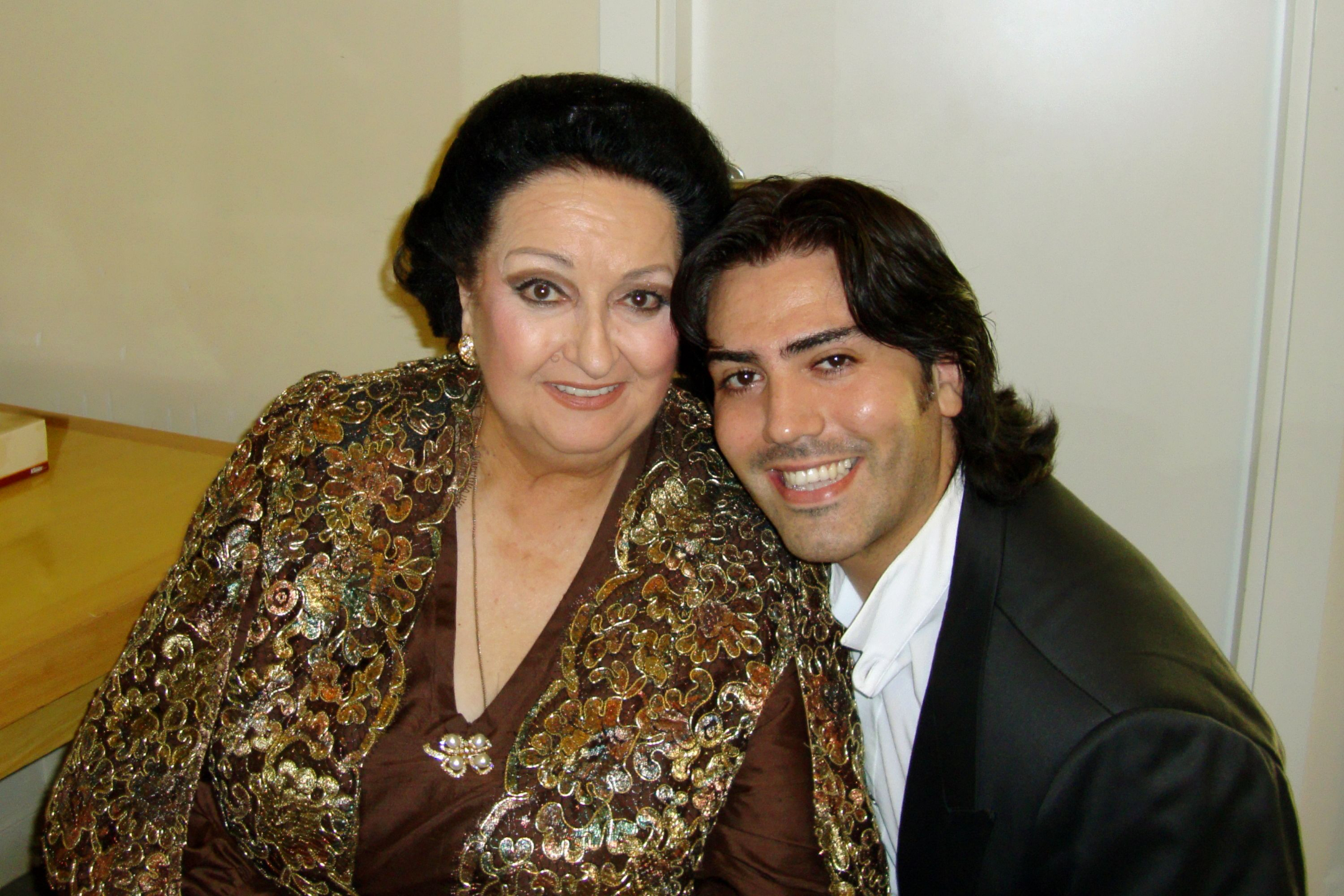
A defining pillar of Monsalve’s work is his direct study of breathing support with the legendary soprano Montserrat Caballé, from whom he absorbed the principles that allowed for extraordinary vocal freedom, endurance, and expressive control.

This experience further shaped his understanding that true vocal power does not come from force, but from coordination, space, and intelligent use of breath, principles that are consistently reflected in his teaching and results.

The Artist Who Teaches What He Lives

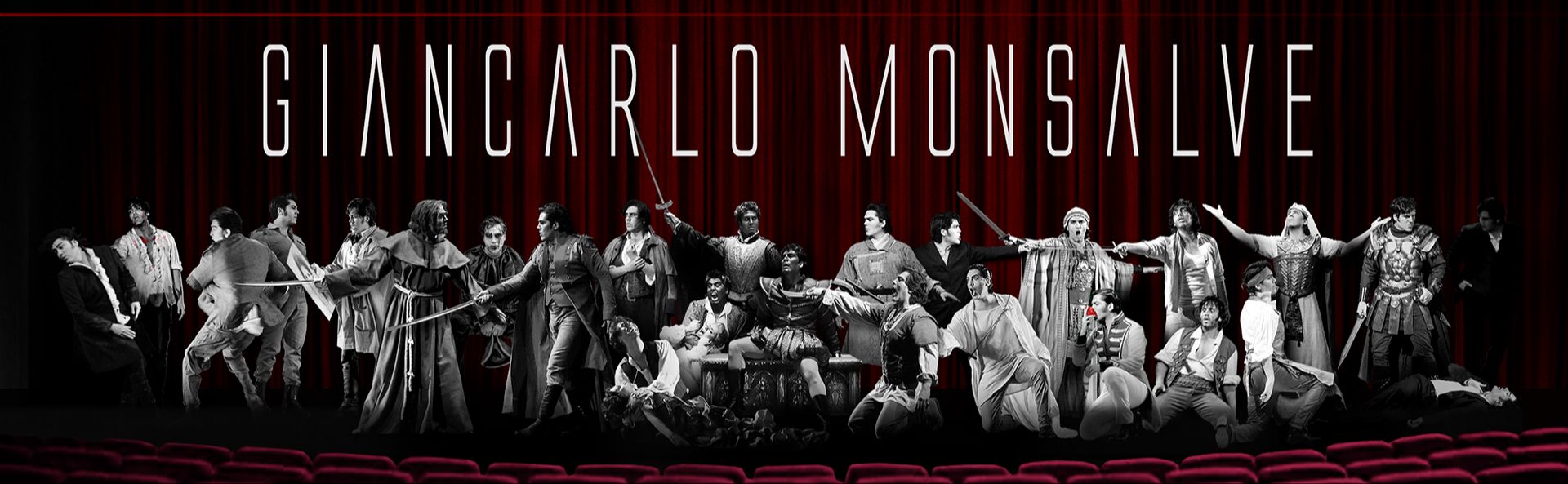
Giancarlo Monsalve is an active international opera artist, acclaimed for his performances in core lirico-spinto and dramatic repertoire, including Otello, Andrea Chénier, Carmen, Tosca, Turandot, AidaCavalleria Rusticana, Pagliacci, Il Trovatore, Don Carlo, Norma, Manon Lescaut, La Forza del Destino and more.

Following the global disruption of COVID-19, he consciously chose to step back from the stage to dedicate himself fully to his family and his students. This decision was not a retreat, but a deliberate prioritization.

By request, and with growing interest from the operatic world, a return to the stage is under consideration within the next two to three years. Until then, his focus remains undivided.

Giancarlo Monsalve’s work is not based on abstract pedagogy, nor on fabricated modern reinterpretations created in the constant pursuit of “the new thing.”

It stands in clear opposition to the growing landscape of ambiguous, incomplete “techniques” propagated by confused self-appointed professionals who present themselves as vocal coaches or mentors, often as a side hustle to compensate for unstable or unfulfilled ongoing artistic careers, and who, in doing so, mislead and endanger new generations of singers.

What Maestro Monsalve does is fundamentally different. His work is based on direct transmission, on rooted and historically proven principles, and on repeatable, verifiable results. It represents a precise and harmonious synthesis of the most successful traditional schools of singing, transmitted first-hand and applied under real operatic conditions, not theoretical speculation.

Why Singers Seek Him Out Worldwide

Since beginning to share his knowledge publicly in 2019, Monsalve has observed a measurable shift in the operatic landscape.

Singers across the world have experienced rapid breakthroughs after encountering even small fragments of his work. At the same time, numerous emerging coaches have begun building entire “methods” inspired by partial examples he shared online, often without access to the core system that makes those principles work.

This phenomenon has further reinforced Monsalve’s role as a primary source, rather than a derivative voice.

Students seek him out when modern pedagogy fails to resolve:

  • chronic vocal fatigue,

  • unstable or forced high notes,

  • passaggio confusion,

  • loss of vocal identity,

  • voices that function in exercises but collapse under orchestral pressure.

His work is known for producing immediate, audible transformation, not through manipulation, but by restoring the natural physiological coordination of the human voice.

The Old School of Singing®

A Necessary Revival

In response to the global decline of traditional vocal standards, Giancarlo Monsalve founded The Old School of Singing®, an academy dedicated to preserving and transmitting authentic operatic technique through lineage-based teaching, anatomical clarity, and uncompromising artistic integrity.

The Old School of Singing® is not a trend and not a marketing label.
It is a registered school of thought, grounded in principles that produced the greatest voices in history and that continue to function today when applied correctly.

For many singers, this work represents more than training.
It represents a return to truth.

Dedication, Focus, and Selectivity

Today, Giancarlo Monsalve is fully dedicated to his family and his students. For this reason, his schedule is consistently overbooked, and access to his work is necessarily selective.

He does not aim for scale.
He aims for depth, transmission, and continuity.

For those prepared to move beyond shortcuts, compromises, and vocal survival strategies, his work offers something increasingly rare in today’s operatic world:

A voice that lasts.
A technique that holds.
And a tradition that lives on.